

Different Types of Sarees in India and How to Identify Them
Different Types of Sarees in India and How to Identify Them
Introduction
With hundreds of regional styles and fabric variations, identifying the different types of sarees in India can often feel overwhelming. While many sarees may look similar at first glance, each has unique characteristics rooted in fabric, weaving technique, drape, and cultural origin.
This guide focuses on helping you identify saree types correctly, understand their names, and recognise what makes each variety distinct—so you can choose confidently for every occasion.
Identifying Sarees by Fabric
One of the simplest ways to recognise saree types is by their fabric. The texture, weight, and fall of a saree often reveal its category.

Silk Sarees
Silk sarees are known for their rich sheen and structured drape. Different types of silk sarees often feature heavier borders, woven motifs, and traditional pallus.
Cotton Sarees
Cotton sarees are lighter, breathable, and ideal for everyday wear. They usually have softer textures and simpler patterns.
Synthetic & Blended Fabrics
Georgette, chiffon, and crepe sarees are easier to drape and commonly used for modern and party wear styles.
Recognising Saree Varieties by Weave and Design
Beyond fabric, the weaving technique plays a crucial role in saree identification.
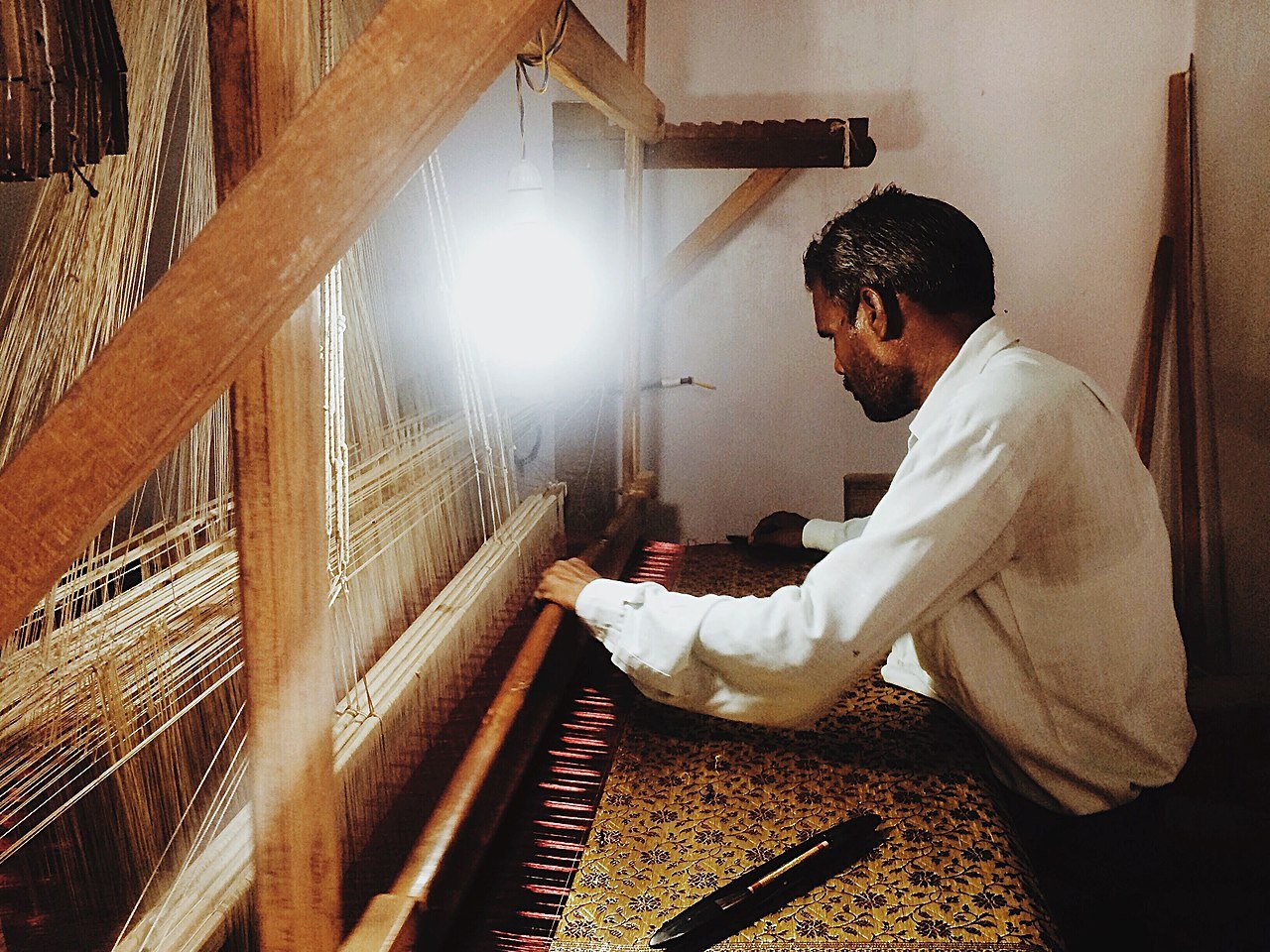
Some sarees are identified by:
-
Intricate zari work
-
Handwoven textures
-
Distinctive borders and pallus
These features help distinguish between different varieties of sarees, especially traditional Indian saree varieties.
Types of Sarees Based on Regional Origins
India’s regional diversity has given rise to many iconic saree types. Each region contributes its own weaving heritage and aesthetic.

Understanding regional origins helps identify:
-
Saree type names
-
Traditional color palettes
-
Cultural significance
This is why saree types are often associated with specific states or communities.
How Saree Draping Helps Identify Saree Types
Sometimes, sarees are best identified by how they are worn. Different types of saree draping can indicate regional traditions or functional use.
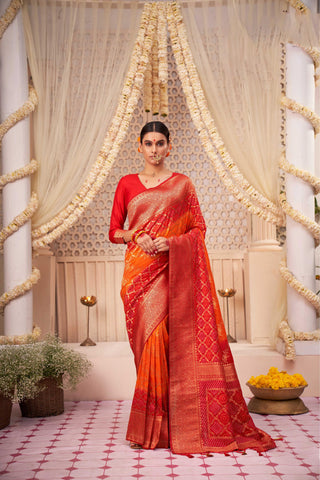
For example:
-
Structured drapes often accompany silk sarees
-
Free-flowing drapes are common with lighter fabrics
Draping styles provide strong clues about saree categories and occasions.
Choosing the Right Saree by Occasion
Identifying saree types also depends on when and where they are worn.
-
Lightweight sarees suit daily and office wear
-
Embellished sarees are preferred for parties
-
Rich silk varieties are ideal for weddings
If you’re looking for elegant celebration options, explore our party wear sarees for modern and festive styles.
